 www.GunsandOptics.com Tactical & Hunting Gear Review
Most deer hunting in this state happens close. Hardwood ridges, hemlock hollows, laurel so thick you’d lose a dog in it. You don’t glass a deer up at 800 yards and plan a stalk. You hear a stick snap, catch a flicker of grey, and then you’re trying to sort out a rack through a window the size of a dinner plate.
So the binocular has a different job. Usually you’ve already spotted the deer with your eyes. What you need is an answer. How many points? Which side? Is that brow tine an inch long or just a bump?
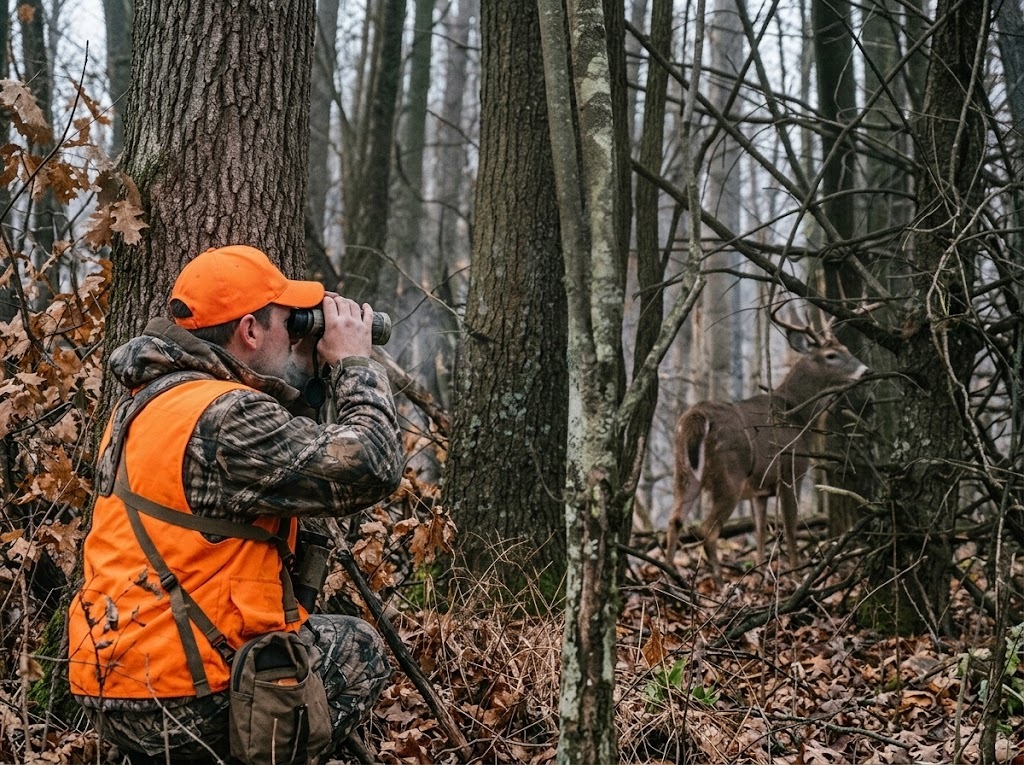
Brush makes all of it worse. A branch behind a tine looks like an extra point. A tine pointing straight at you basically disappears. Sharp, contrasty glass helps you pull antler out of the clutter, and honestly, that’s most of what judging bucks in the timber comes down to.
Don’t forget the company you’re keeping, either. The National Deer Association’s 2026 Deer Report puts Pennsylvania at about 14 hunters per square mile. Nobody else in the country comes close. That much orange in the woods pushes deer into the thick stuff, and pushed deer don’t stand broadside in the open waiting for you to count.
Pennsylvania Antler Restrictions and What They Ask of Your Glass
Older hunters remember when a spike was a buck. That ended in 2002. The Game Commission brought in point restrictions to balance the herd and give young bucks a chance to grow. Across most of the state, that meant three points on one side, with a tougher standard in part of the west.
Pennsylvania antler restrictions have shifted a bit since then, and they still vary by Wildlife Management Unit. So pull up the current Game Commission digest for your WMU before the opener. Your uncle’s memory of the rules from 1998 doesn’t count.
What hasn’t changed is who carries the responsibility. You do. And the points that decide it are usually the small ones. A short brow tine. A fork that’s barely split. Exactly the stuff that goes soft and grey when the light’s bad.
8x or 10x for the Big Woods?
In thick cover, 8x tends to win. The wider field of view means the deer is actually in the picture when you lift the binocular, instead of you hunting around empty branches while he walks off. There’s less visible shake too. That helps more than you’d think when your pulse is up around 140.
10x isn’t wrong, though. It shows more detail, and on field edges, power line cuts and fresh timber cuts, that detail is welcome at 200 yards. Lots of Pennsylvania hunters bounce between big woods in November and farm ground in December, so the “right” answer really depends on where you sit.
If you want a starting point, try this. Mostly inside 100 yards, in cover? Go 8×42. Mostly open edges and ag fields? A 10×42 makes sense. Either way, a 42mm objective keeps the weight reasonable for a dark climb up the mountain.
One more thing people overlook when shopping for deer hunting binoculars. Close focus. A buck in the laurel might be 15 yards from you. If your binocular can’t focus that near, you’re looking at blur right when it counts.
Low Light Binoculars and That Last Half Hour
Pennsylvania bucks love the edges of the day. You know this already. The best action often lands in the last 20 minutes of legal light, which is also when your glass starts to struggle.
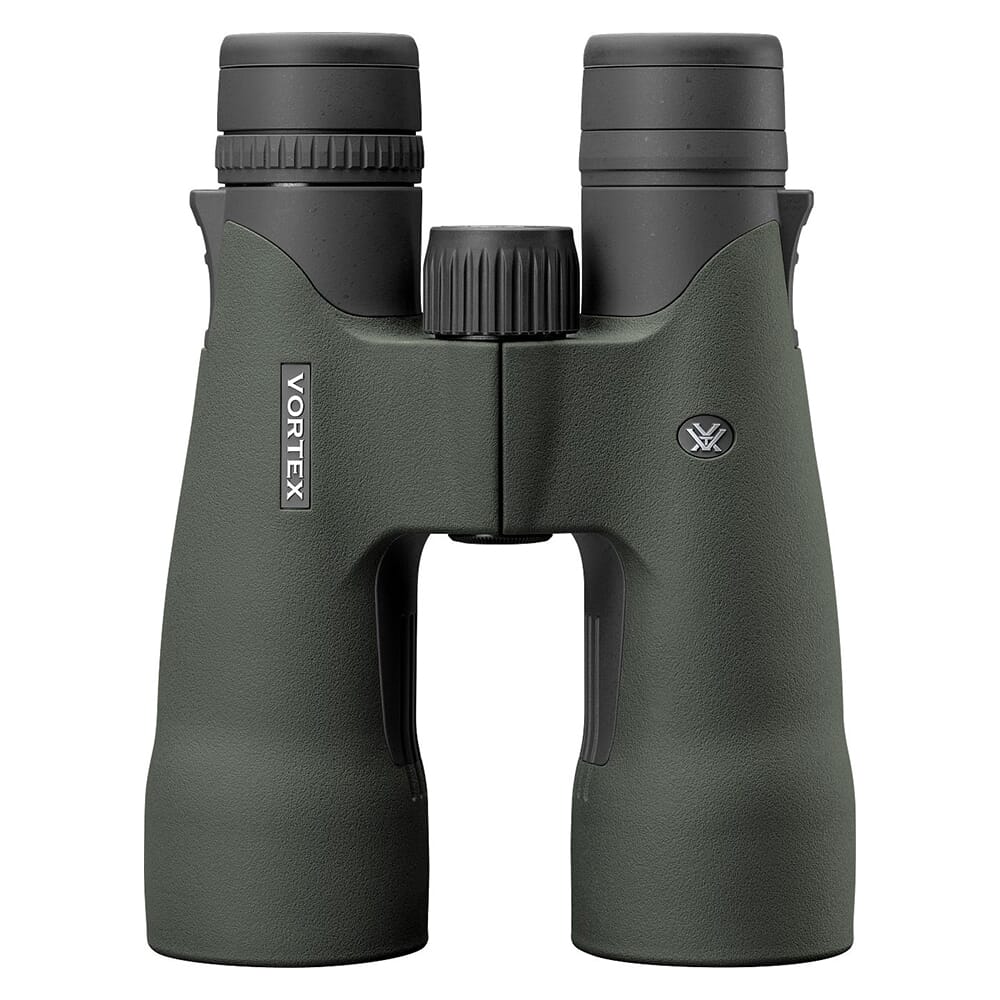
Here’s the one number worth remembering: exit pupil. Take the objective size and divide by magnification. An 8×42 works out to 5.25mm. A 10×42 drops to 4.2mm. Bigger usually means brighter at dusk, especially if your eyes still open up wide in the dark (that tends to fade as you get older, sadly).
Specs only tell part of the story. Two binoculars with the same numbers can look nothing alike at 4:45 on a cloudy December afternoon. Glass quality and coatings make the difference, and the best low light binoculars keep their contrast as the light dies. Contrast is what lets you see a grey tine against grey branches.
Binocular Up First. Rifle Second.
Using your riflescope to check out a deer is tempting, especially when the binocular is tangled in your jacket. Don’t. You’re pointing a loaded rifle at something you haven’t identified, in some of the most crowded woods in America. That alone should settle it.
There’s a practical reason too. A scope gives you a narrower view, so you’ll often see one beam clearly and lose the other side in the brush. Then you’re guessing.
So count with the binocular. Only bring the rifle up once you’re sure. Some hunters now run rangefinding binoculars to handle glassing and ranging in one unit, and if that’s on your list, it’s worth reading about whether you still need a separate rangefinder first. In most Pennsylvania timber, though, an exact yardage matters a lot less than a fast, honest point count.
Turn Your Scope Down
After the binocular says yes, the scope needs to keep up. In the woods, that means low power.
A scope sitting on 9x looks great on the bench. Out in the laurel at 40 yards, it’s like looking through a paper towel tube. The deer fills the whole picture and finding the right spot gets oddly difficult. Spin it down to 2x or 3x and suddenly you can follow him through the gaps.
Leave it there while you sit. If a buck hangs up on a distant field edge, you’ll almost always have time to crank the power up. Going the other way rarely works out. A deer that pops up at 30 yards doesn’t wait for you to fiddle with the ring.
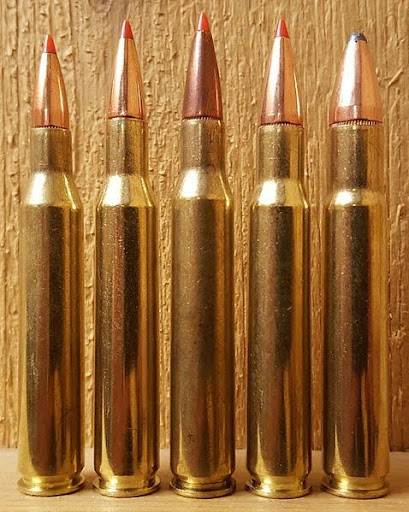
Your cartridge belongs in this conversation as well. Short timber shots don’t need a magnum, and if you’re rethinking the whole rifle, have a look at choosing a deer cartridge for close timber while you’re sorting out optics.
Get Your Glass Ready Before the Pennsylvania Rifle Deer Season
The 2026 Pennsylvania rifle deer season opens Saturday, Nov. 28, and runs through Dec. 13. Archery’s already open, so use the next few weeks.
- Deal with fog. Carry the binocular inside your jacket on the walk in. A rain guard over the eyepieces helps more than most people expect.
- Clean lenses gently. Blow off the grit first. Then a lens pen or microfiber cloth. Your shirt tail is how coatings get scratched.
- Set the diopter in daylight. Lock it if your binocular has a lock. You don’t want to be adjusting focus when he steps out.
- Check zero. A rifle that bounced around in the truck since last December can wander. Shoot a few from a rest and make sure rings and bases are tight.
- Fresh batteries. Illuminated reticles and rangefinders die fast in the cold. Swap them now, and stash a spare.
What Glass Fits Where You Hunt
There isn’t one perfect setup for the whole state. A guy hunting a woodlot in Lancaster County and a guy sitting on a ridge in Potter County are solving different problems.
Think about how far you can usually see from your stand. Short sightlines push you toward 8x and a wide view. Open ground makes 10x more useful. If most of your bucks show up at last light, spend on better glass before you chase more magnification. And pick something comfortable, because a binocular that stays in the truck won’t count for anything.
After that, it’s practice. Glass deer in the summer. Count points on bucks you’ll never shoot, from behind, from the side, through branches. Binoculars for deer hunting do a lot, but they can’t make the call for you.
That part’s still yours. On a cold morning in the laurel, with a buck easing past at 60 yards, you’ll be glad you put the time in.